
Law Firms
Dassault Aviation Poaches Its Own Outside Counsel as India General Counsel
Anandita Kaushik, who spent over six years as a partner at CAM handling defence and aerospace work, has moved to Dassault Aviation as General Counsel for India

Cyril Amarchand Mangaldas has lost one of its aviation specialists to a client it has advised for years. Anandita Kaushik, who spent over six years as a partner at CAM handling defence and aerospace work, has moved to Dassault Aviation as General Counsel for India, based at the group's Dassault Aircraft Services subsidiary in New Delhi.
Kaushik, a 2009 law graduate who later picked up an LLM in M&A from Columbia, built her practice around PE-VC and M&A transactions in the aviation sector, advising both foreign OEMs and domestic players navigating India's defence procurement rules, work that, by her own account, she'd been doing for Dassault specifically for close to a decade already.
CAM's managing partner Cyril Shroff struck a gracious note about the departure, framing it as simply gaining a client rather than losing a partner. It's a move that fits a pattern seen elsewhere in the market: outside counsel who've spent years embedded in a single client's regulatory and commercial challenges eventually get pulled in-house to run the function directly.
The Brief · the newsletter
Short legal explainers in your inbox.
Continue reading
Law Firms
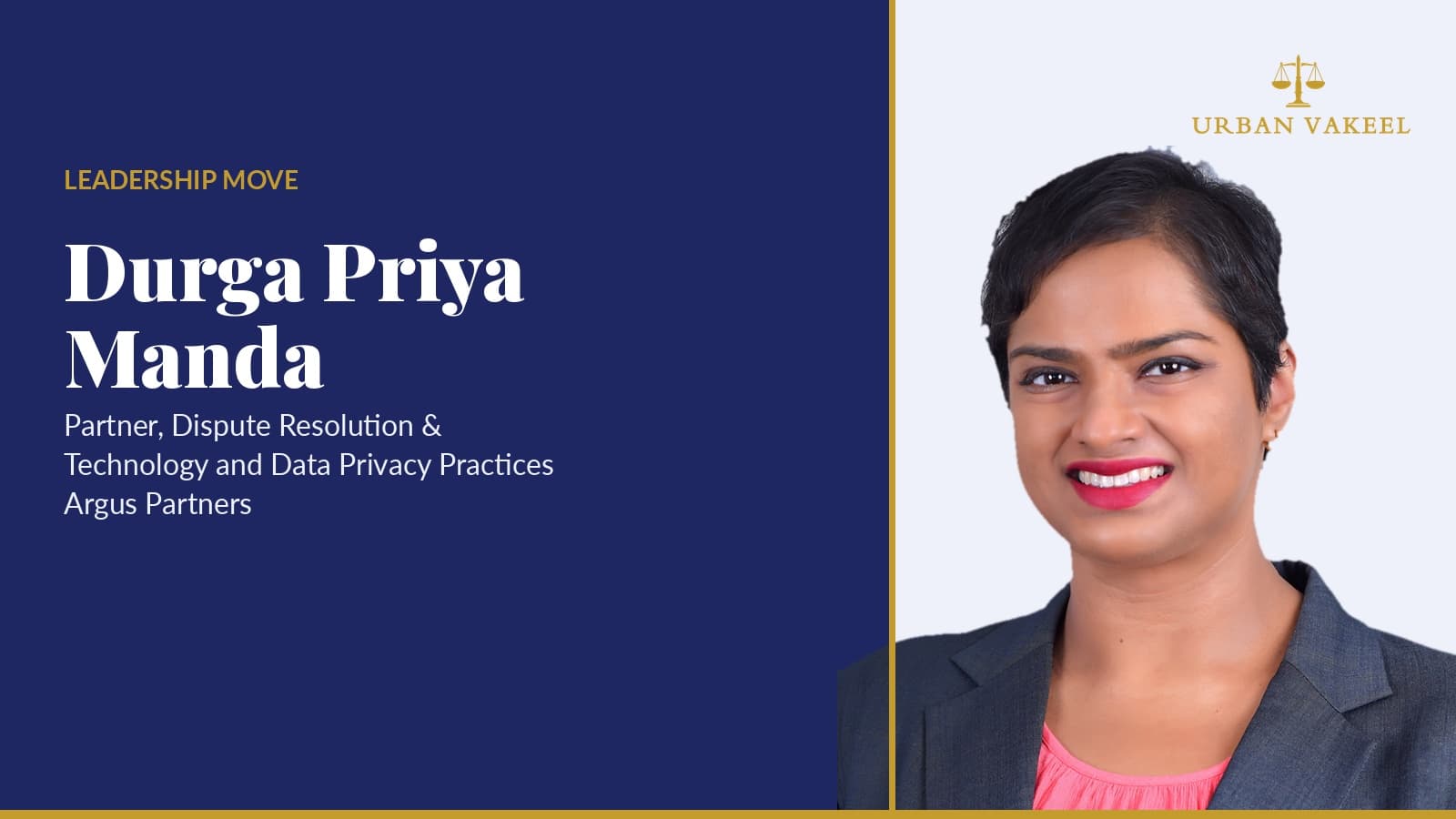
Durga Priya Manda Joins Argus Partners as Partner
SEPTEMBER 15, 2026 · 1 min read
Law Firms
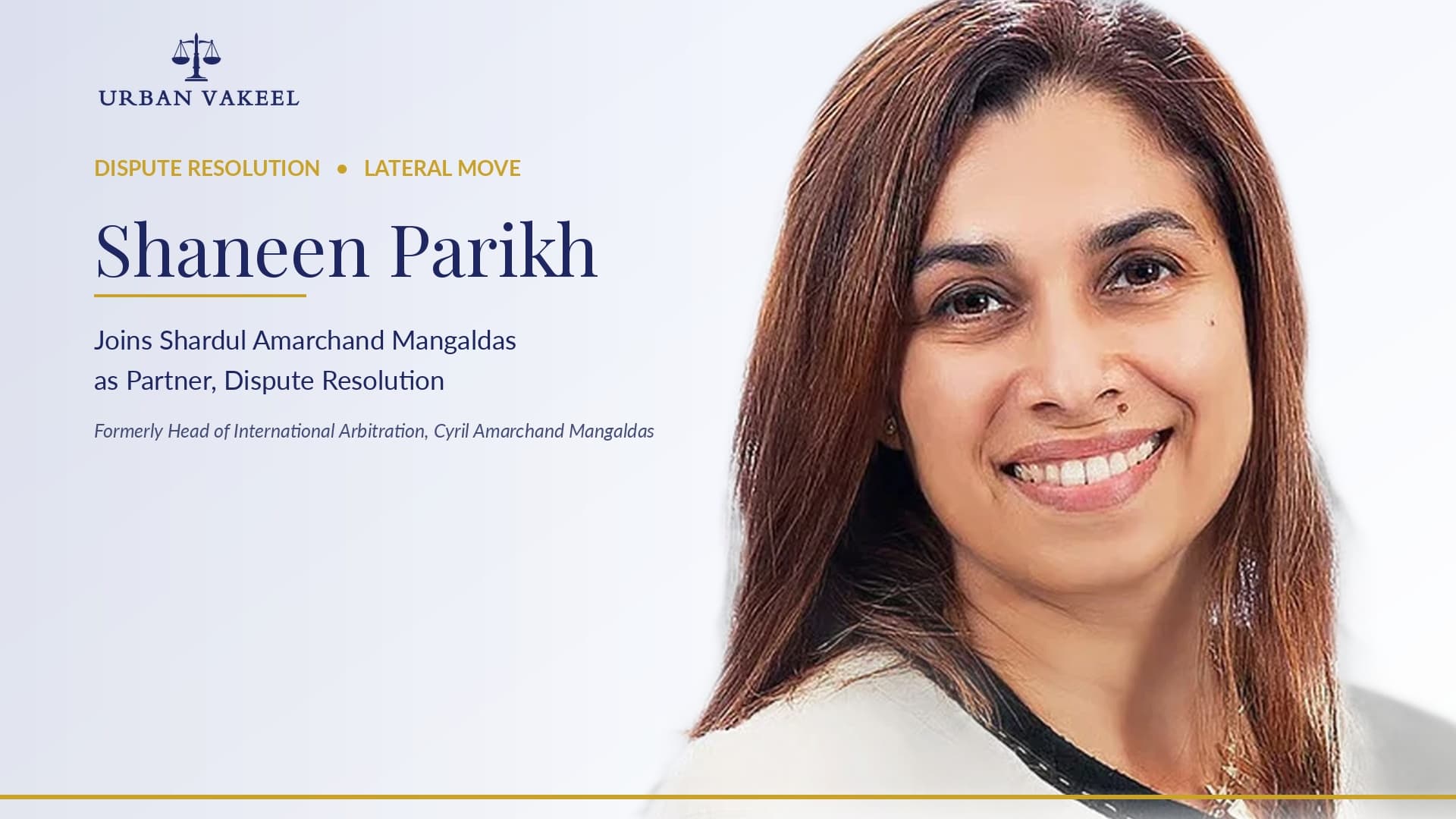
Shaneen Parikh Joins Shardul Amarchand Mangaldas as Partner, Dispute Resolution
AUGUST 18, 2026 · 1 min read

Law Firms
HSA Associate Partner Tushar Srivastava Joins Niyama Law As Partner
AUGUST 18, 2026 · 1 min read